Biochemistry Literacy for Kids

Biochem 2.0 – Unit 1

Categories: Lessons
Wishlist Share
Share Course
Page Link
Share On Social Media

About Course

Some have called Biochem 2.0 100 times better than the original, others have called it 1000 times better—either way, you will be very impressed by this epic revision of the early Biochemistry Literacy lessons. This 8-hour video series is now the best way to begin the Biochemistry Literacy for Kids experience. Check out the first lesson section here. This unit is NGSS-aligned to all appropriate elementary standards, although we know the unit will blow past anything that is normally expected for kids to learn in school. Despite the advanced material it is 100% appropriate for elementary learners of any background, as well as older students beginning or returning to the program. Additional Biochem 2.0 units will come online over the next year, but for now, students should start here, then continue to the Classic course, which is still great. You’ll be amazed by how much your student will learn!

Show More

Course Content

Biochem 2.0 Unit 1

  • Lesson 1.0 – Molecular Model Building – Introducing your model kit
    08:09
  • Lesson 1.1 – Molecular Model Building – Part A: Hydrocarbons
    08:57
  • Lesson 1.2 – Molecular Model Building – Part B: Bonds and Lone Pairs
    15:20
  • Lesson 1.3 – Molecular Model Building – Part C: Bonding Rules
    15:58
  • Lesson 2.1 – Planetary Atmospherics – Part A: Terrestrial Planets
    07:46
  • Lesson 2.2 – Planetary Atmospherics – Part B: Gas Giants and Ice Giants
    10:27
  • Lesson 2.3 – Planetary Atmospherics – Part C: The Elements of Life
    08:08
  • Lesson 3.1 – Molecular Drawing – Part A: Small Molecules
    16:46
  • Lesson 3.2 – Molecular Drawing – Part B: NSAID Medicines
    11:07
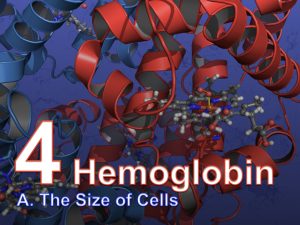
  • Lesson 4.1 – Hemoglobin – Part A: The Size of Cells
    06:33
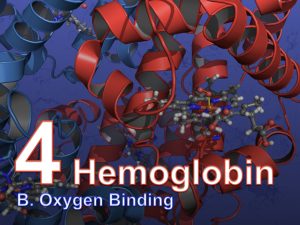
  • Lesson 4.2 – Hemoglobin – Part B: Oxygen Binding
    08:28
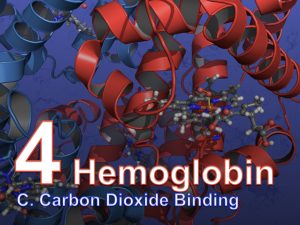
  • Lesson 4.3 – Hemoglobin – Part C: Carbon Dioxide Binding
    05:42
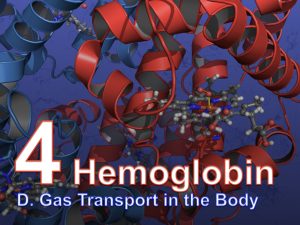
  • Lesson 4.4 – Hemoglobin – Part D: Gas Transport in the Body
    10:00
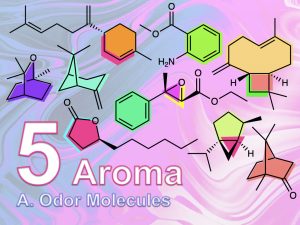
  • Lesson 5.1 – Aroma – Part A: Odor Molecules
    10:01
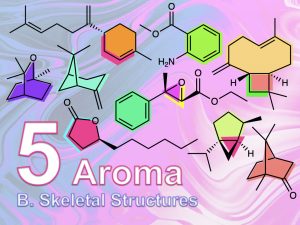
  • Lesson 5.2 – Aroma – Part B: Skeletal Structures
    17:01
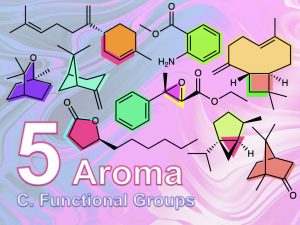
  • Lesson 5.3 – Aroma – Part C: Functional Groups
    20:57
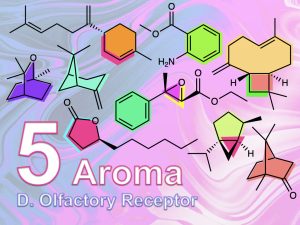
  • Lesson 5.4 – Aroma – Part D: Olfactory Receptor
    09:09
  • Lesson 6.1 – Liquids – Part A: Hydrogen Bonding
    29:58
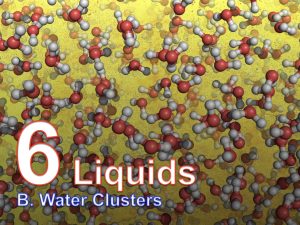
  • Lesson 6.2 – Liquids – Part B: Water Clusters
    06:22
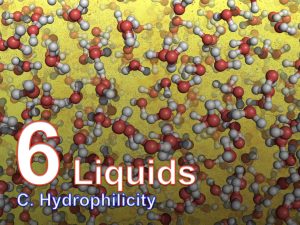
  • Lesson 6.3 – Part C: Hydrophilicity
    09:09
  • Lesson 6.4 – Liquids – Part D: Gasoline and Oils
    22:53
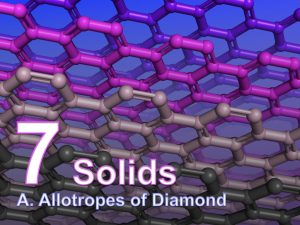
  • Lesson 7.1 – Solids – Part A: Allotropes of Diamond
    17:26
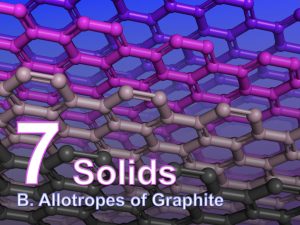
  • Lesson 7.2 – Solids – Part B: Allotropes of Graphite
    17:37
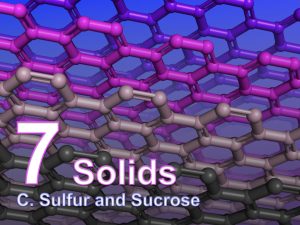
  • Lesson 7.3 – Solids – Part C: Sulfur and Sucrose
    09:11
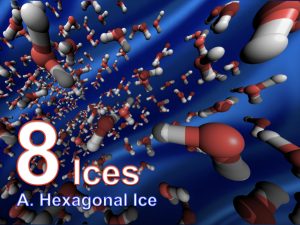
  • Lesson 8.1 – Ices – Part A: Hexagonal Ice
    11:04
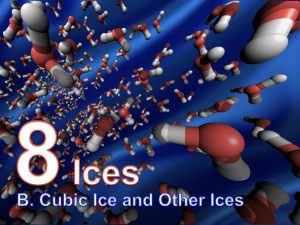
  • Lesson 8.2 – Ices – Part B: Cubic Ice and Other Ices
    09:46
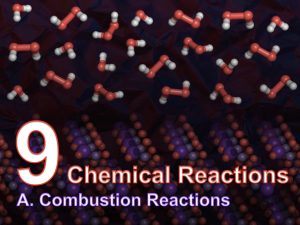
  • Lesson 9.1 – Chemical Reactions – Part A: Combustion Reactions
    28:54
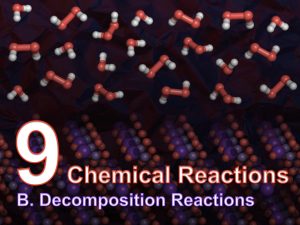
  • Lesson 9.2 – Chemical Reactions – Part B: Decomposition Reactions
    15:20
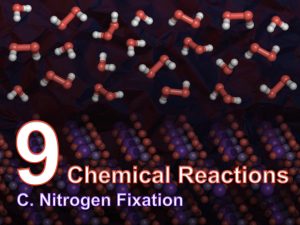
  • Lesson 9.3 – Chemical Reactions – Part C: Nitrogen Fixation
    22:13
  • Lesson 10.1 – Plastics – Part A: Polymerization of Ethylene
    10:25
  • Lesson 10.2 – Plastics – Part B: Polypropylene Tacticity
    16:17
  • Lesson 10.3 – Plastics – Part C: Atactic Plastic Polymers
    19:47
  • Lesson 10.4 – Plastics – Part D: Polyester Plastic
    21:16