Biochemistry Literacy for Kids

Biochem 2.0 – Panorama – Intro to the Chemical World

Categories: Lessons
Wishlist Share
Share Course
Page Link
Share On Social Media

About Course

Panorama features 8-hours of video and workbook, modeling, and lab activities. It is the best way to begin the Biochemistry Literacy for Kids experience. The duration of this course depends on the level and age of the student, but it provides a rich foundation for learning that is both accessible to everyone and engaging for even advanced learners. Young learners will be amazed at how quickly they learn advanced concepts, and older learners will be surprised by connections that they never new existed. Check out the first lesson video here. Topics are listed below and in a more colorful format on this page. This unit is meant to set the stage for later study both in my courses and elsewhere.
Show More

Course Content

Biochem 2.0 Unit 1

  • Lesson 1.0 – Molecular Model Building – Introducing your model kit
    08:09
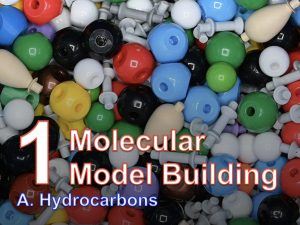
  • Lesson 1.1 – Molecular Model Building – Part A: Hydrocarbons
    08:57
  • Lesson 1.2 – Molecular Model Building – Part B: Bonds and Lone Pairs
    15:20
  • Lesson 1.3 – Molecular Model Building – Part C: Bonding Rules
    15:58
  • Lesson 2.1 – Planetary Atmospherics – Part A: Terrestrial Planets
    07:46
  • Lesson 2.2 – Planetary Atmospherics – Part B: Gas Giants and Ice Giants
    10:27
  • Lesson 2.3 – Planetary Atmospherics – Part C: The Elements of Life
    08:08
  • Lesson 3.1 – Molecular Drawing – Part A: Small Molecules
    16:46
  • Lesson 3.2 – Molecular Drawing – Part B: NSAID Medicines
    11:07
  • Lesson 4.1 – Hemoglobin – Part A: The Size of Cells
    06:33
  • Lesson 4.2 – Hemoglobin – Part B: Oxygen Binding
    08:28
  • Lesson 4.3 – Hemoglobin – Part C: Carbon Dioxide Binding
    05:42
  • Lesson 4.4 – Hemoglobin – Part D: Gas Transport in the Body
    10:00
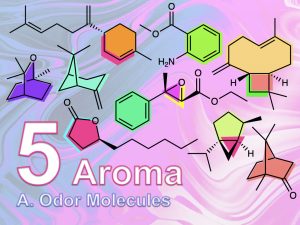
  • Lesson 5.1 – Aroma – Part A: Odor Molecules
    10:01
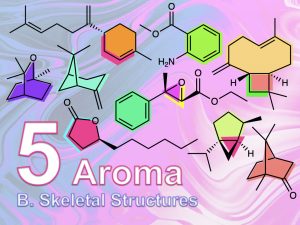
  • Lesson 5.2 – Aroma – Part B: Skeletal Structures
    17:01
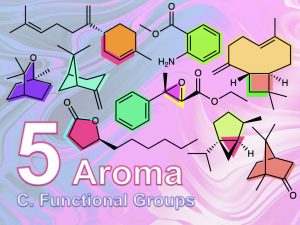
  • Lesson 5.3 – Aroma – Part C: Functional Groups
    20:57
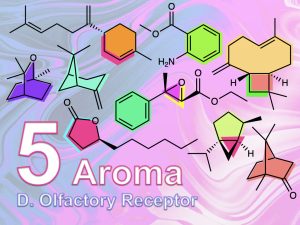
  • Lesson 5.4 – Aroma – Part D: Olfactory Receptor
    09:09
  • Lesson 6.1 – Liquids – Part A: Hydrogen Bonding
    29:58
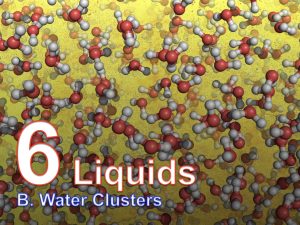
  • Lesson 6.2 – Liquids – Part B: Water Clusters
    06:22
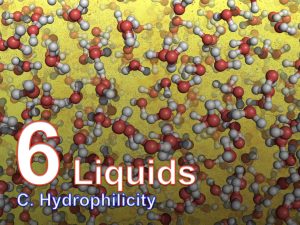
  • Lesson 6.3 – Part C: Hydrophilicity
    09:09
  • Lesson 6.4 – Liquids – Part D: Gasoline and Oils
    22:53
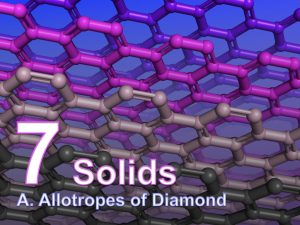
  • Lesson 7.1 – Solids – Part A: Allotropes of Diamond
    17:26
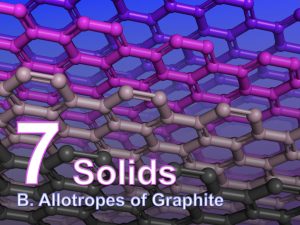
  • Lesson 7.2 – Solids – Part B: Allotropes of Graphite
    17:37
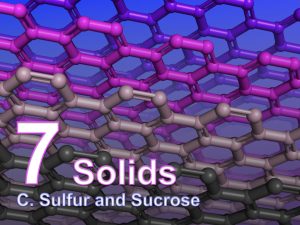
  • Lesson 7.3 – Solids – Part C: Sulfur and Sucrose
    09:11
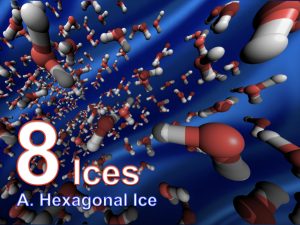
  • Lesson 8.1 – Ices – Part A: Hexagonal Ice
    11:04
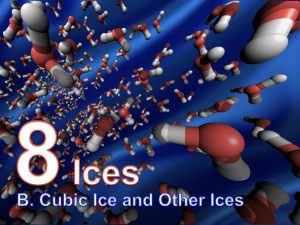
  • Lesson 8.2 – Ices – Part B: Cubic Ice and Other Ices
    09:46
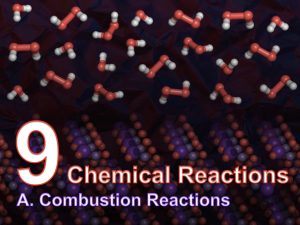
  • Lesson 9.1 – Chemical Reactions – Part A: Combustion Reactions
    28:54
  • Lesson 9.2 – Chemical Reactions – Part B: Decomposition Reactions
    15:20
  • Lesson 9.3 – Chemical Reactions – Part C: Nitrogen Fixation
    22:13
  • Lesson 10.1 – Plastics – Part A: Polymerization of Ethylene
    10:25
  • Lesson 10.2 – Plastics – Part B: Polypropylene Tacticity
    16:17
  • Lesson 10.3 – Plastics – Part C: Atactic Plastic Polymers
    19:47
  • Lesson 10.4 – Plastics – Part D: Polyester Plastic
    21:16